| |
I. SENSITIZATION PROGRAMME : |
|
| |
A)Child Labour Sensitization programme : |
|
| |
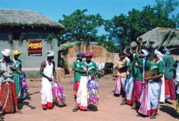
As part of its advocacy programme we work to make people aware about the rights of Indigenous people. These activities are being organized at Maheshtala of South 24 Parganas on 6, 7, 27 & 28 December 2008. Punch line being this campaign is that every people has a rights to live with dignity, every woman and child has right to (be in school) education.
|
|
| |
|
Child Labour Sensitization Camp. |
| |
|
|
| |
B) Self Help Group Sensitization Camp: |
|
|
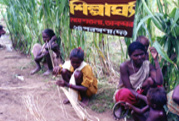
As part of Women Empowerment Programme Shilparghya Jalkhura organized many Sensitization camps on SHGs in the Districts like Purulia and Midnapur on 13, 14, 20 & 21 December 2008. It is a very successful programme for the year. |
 |
| |
|
Self help Group Sensitization Camp |
| |
C) Health Sensitization Camp: |
|
|
Health Sensitization camp for all was organized at Bishnupur on 4th January, 2009. Doctors were present for health Check-up of beneficiaries in the camp. More than 80 people treated and diagnosed through the camp. We also provide information regarding precaution from communicable diseases through different types of cultural programme. |
|
| |
|
Health Sensitization through Cultural Programme. |
| |
D) Mother and Child Health : |
|
|
Under the overall health care system support, specialized support services were initiated to particular segments of the rural population. Mother and child health was one such project. It is a comprehensive health care project to target mothers and young children, with the belief that better health to mothers and children automatically reflects better health of family members.
The important project elements are:-
- Awareness to the community, particularly to women on health, anti and post natal care, hygiene and sanitation,
- environment up keep etc.
- Formation of health groups, group discussions and regular meetings.
- Health education camps through innovative means to mothers.
- Immunization of pregnant women and infants/children health monitoring for women during pregnancy and after delivery.
- Growth monitoring of infants.
- Free health check-up camp.
This programme held on 14th April, 2008 at Midnapore
|
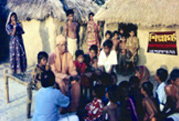
Mother and child
health care |
| |
E) AIDS/HIV Control Programme : |
|
| |
This programme was to educate people, particularly adolescents and young adults, about sexually transmission diseases (STD) and HIV/AIDS. The programme includes awareness generation regarding AIDS/HIV, modes of transmission of the virus/infection and preventive measures. Special emphasis was also laid on removing the prevailing misconceptions and social taboo through the publications of posters, charts, handbills etc. In this regards organization has been following the guideline of WHO and maintaining a strong linkage with District Health Administration. |
 |
| |
|
|
| |
F) Consumer Affairs Programme : |
|
|
We also organized the consumer protection camp during this year. About 150 men and women from different community participated in this programme at Maheshtala, South 24-Parganas on 30th December, 2008. Many dignitaries like head master, doctor and officers were present to discuss on that subject. Successfully the Programme completed. |
 |
| |
II. Vocational Training: |
|
|
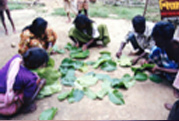
Shilparghya Jalkhura has been running Training Programme for young women and adolescents on different crafts. Organization has very efficient and qualified Vocational Instructors who are giving training to the beneficiaries. These kind of Vocational Training for women are being organized at Echadi, Purulia on 8 & 9th November, 2008 to make them self reliant through initiating their own small business. Now-a-days it is a successful and self sustain programme of the organization. |
 |
| |
|
Vocational Training
Programme at Purulia |
| |
A) Soft toy Making: |
|
| |
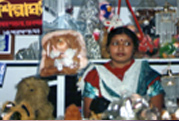
Fifty women are taking on soft toy making training at our own training centre since l998. Most of them are skilled now and started to earn money. |
 |
| |
|
Selling of Soft Toys. |
| |
B) Fabric/Knitting/Embroidery/Applique : |
|
| |
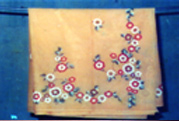
Shilparghya Jalkhura providing Embroidery, Fabric, Knitting, Applique etc training at Office premises. among the women who were unemployed and many of them are self employed now with this crafts. They are making new and market demanding designs. |
 |
| |
|
Fabric Products |
| |
C) Embossing: |
|
| |
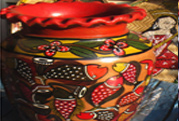
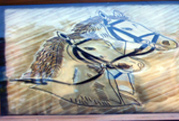
Different types of diversified products like embossing, glass paintings, etching and frosting are useful for household and ever demanded crafts. Shilparghya Jalkhura providing this training programme among the needy people. They are making different types of household materials regularly. |
 |
| |
|
Embossing Product |
| |
III. Educational programme: |
|
| |
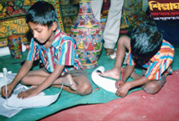
Education is one of the important components, which is being focused by the organization. Objective of our Educational programme is to improve status of children and their mother also in the society and to make learning life oriented things so that use of knowledge will help all kind of alleviating poverty and improve people’s lives. Keep in this mind Shilparghya Jalkhura, providing them basic education at Midnapur 15th August, 2008 at low cost and free of cost in the working area. |
 |
| |
|
Educational programme
through Pat painting. |
| |
IV. Handicapped Welfare Programme: |
|
| |
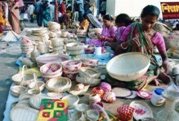
Organization organizes awareness camps for handicapped people, through various activities. Organization make people aware about the Government facilities and schemes for handicapped people. This programme held on 18th January, 2009 at Jalpaiguri. |
 |
| |
|
Handicapped Welfare Programme. |
| |
V. Cultural Programme: |
|
| |
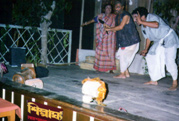
Shilparghya Jalkhura, create an environment of communal harmony and national integration in its working areas. In this context several activities like, Independence Day Celebration, Republic Day Celebration, Rabindra Jayanti, Women’s Day Celebration, 23rd January Celebration, 26th January Celebration, Cultural shows in Evening, Annual Sports among the indigenous people. |
 |
| |
|
Cultural Programme. |
| |
VI. Environmental Protection: |
|
| |
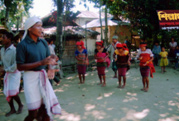
Every year Organization organizes World Environmental Day with plantation and cultural activities in its working areas. This programme held at Jalpaiguri. |
 |
| |
|
Envioronmental Protection
through Cultural activities. |
| |
VII. Sports : |
|
| |
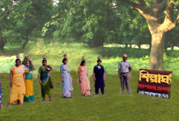
Every year Organization organize their Annual Sports among the club members, their family members and also the Tribal People for socio-economic and cultural development. The sports held on 25th & 26th January 2009 at Purulia and also our local ground. |
 |
| |
|
Annual Sports among the Tribals At Purulia. |
| |
VIII. Social Forestry Programme :
|
|
| |
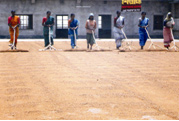
To make the world green, to make the society pollution free to being a fresh environment in the project area organization has distributed numbers of trees among the inhabitants living in target villages. Additionally it involves the SHGs as the tool to spread the idea through the importance of the forestry.
This programme held on 17th September, 2008 at Purulia |
 |
| |
IX. Social Works Programme : |
|
| |
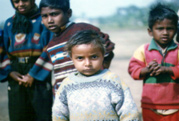
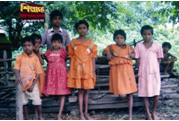
Shilparghya Jalkhura has distributed some dresses to the extremely economically poor children during the year. The organization also distributed books to the poor students.
|
 |
| |
|
| |
Go
to top ... |