
Dr. Sankar Dasmahapatra
High-Risk pregnancy doctor in Kolkata, India
DGO, MS, Fellowship in Gynaecological Lap Surgery (Sydney -Australia)
Consultant Gynaecologist & Obstetrician
Infertility Specialist & Lapaoscopic Surgeon
DGO, MS, Fellowship in Gynaecological Lap Surgery (Sydney -Australia)
Consultant Gynaecologist & Obstetrician
Infertility Specialist & Lapaoscopic Surgeon
by Dr. Sankar Dasmahapatra
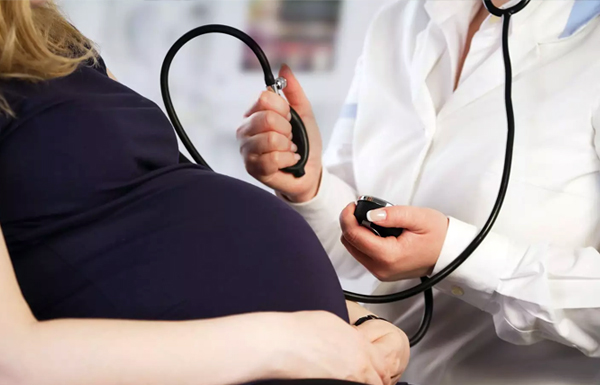
High-risk pregnancies can involve a range of complications that affect the mother, the baby, or both. Understanding them helps in early detection and proper management, which greatly improves outcomes. Common Complications in High-Risk Pregnancy
1) Preeclampsia
A serious condition marked by high blood pressure and damage to organs (often kidneys or liver).
Symptoms:
• Severe headache
• Swelling of face and hands
• Blurred vision
Why it matters:
• Can lead to seizures (eclampsia) and risk both mother and baby’s life if untreated.
2) Gestational diabetes
High blood sugar that develops during pregnancy.
Effects:
• Large baby (difficult delivery)
• Increased chance of cesarean section
• Baby may have low sugar after birth
3) Preterm Labor (Premature Birth)
Labor that begins before 37 weeks of pregnancy.
Risks to baby:
• Breathing problems
• Low birth weight
• Developmental delays
4) Placenta-related Problems
These affect how the baby receives oxygen and nutrients.
Types:
• Placenta previa (placenta covers cervix)
• Placental abruption (placenta separates early)
Warning signs:
• Vaginal bleeding
• Severe abdominal pain
5) Miscarriage
Loss of pregnancy before 20 weeks.
Common causes:
• Genetic problems
• PHormonal issues
• Infections
6) Stillbirth
Loss of the baby after 20 weeks of pregnancy.
Risk factors:
• Poorly controlled medical conditions
• Placental problems
• Severe infections
7) Anemia
Low hemoglobin levels, very common in pregnancy.
Effects:
• Fatigue and weakness
• Increased risk during delivery
• Poor fetal growth
8) Infections
Examples include urinary or viral infections.
Can cause:
• Preterm labor
• Low birth weight
• Complications in mother
9) Intrauterine growth restriction (IUGR)
Baby does not grow properly inside the womb.
Reasons:
• Poor placental function
• Maternal illness
Key Takeaway
Most complications can be managed successfully with
• Regular antenatal check-ups
• Early diagnosis
• Proper medical care and lifestyle changes
When to Seek Immediate Help
• Heavy bleeding
• Severe abdominal pain
• Reduced baby movement
• High fever or severe headache